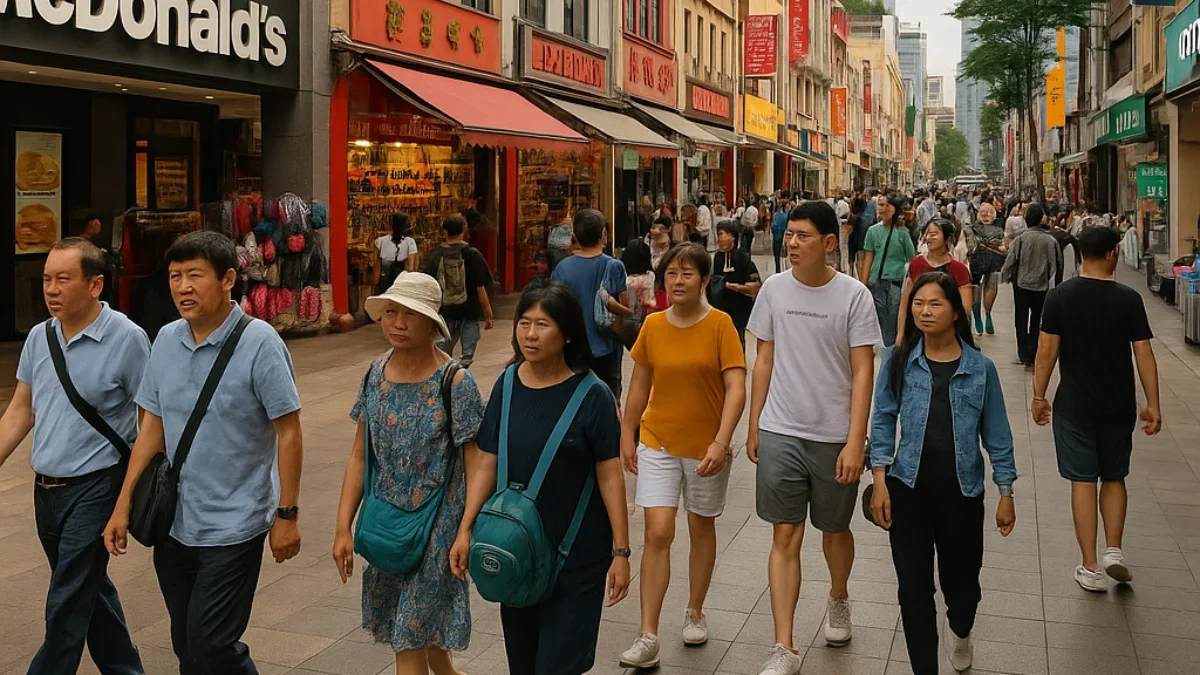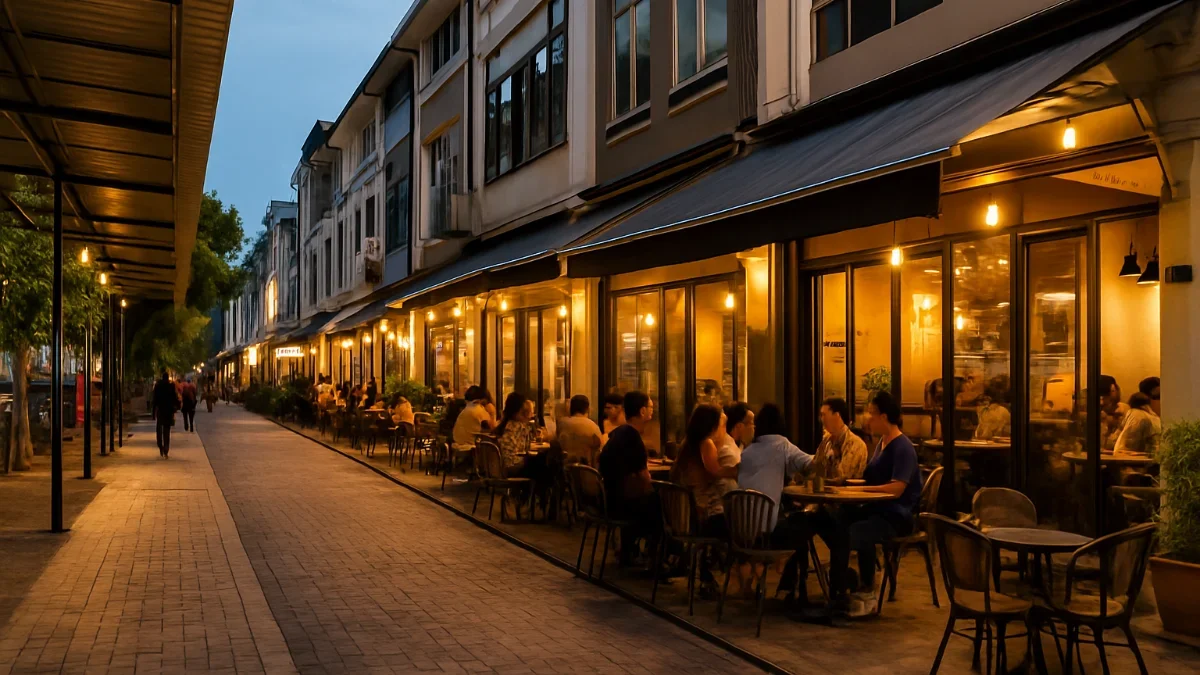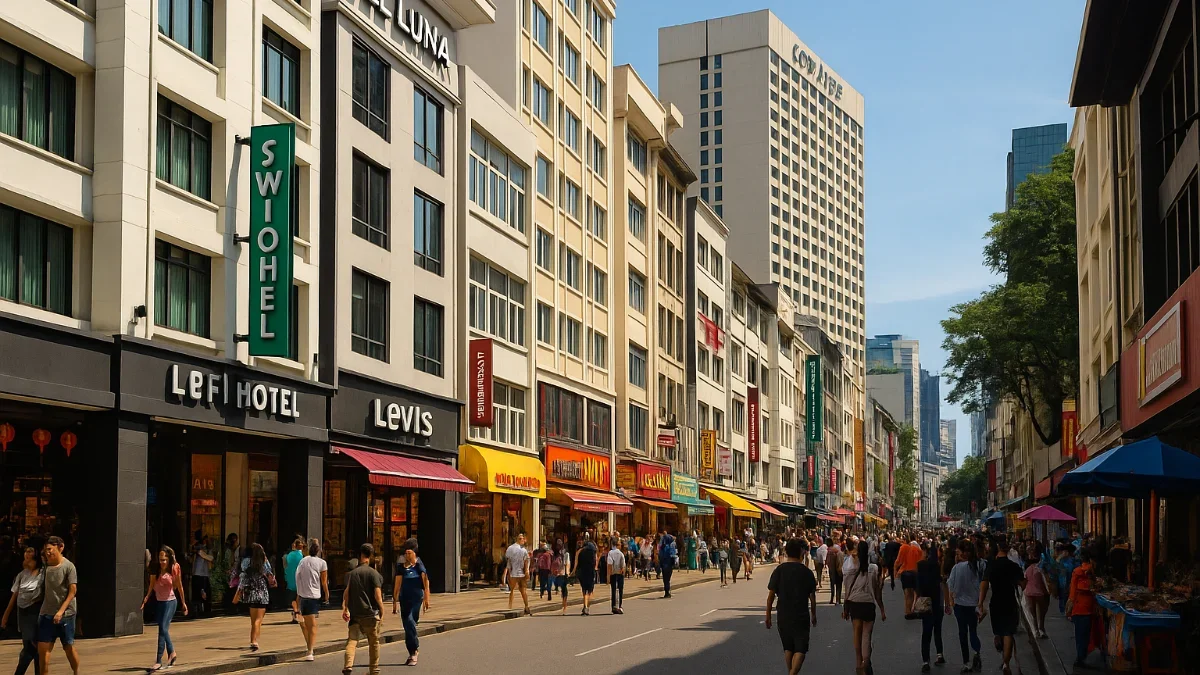
Malaysia’s commercial property market is showing strong recovery heading into 2025, driven by growing tourism numbers and the national preparation for Visit Malaysia Year 2026 (VMY2026). With international travel rebounding, hotel operators, F&B brands, retail groups, and investors are actively securing good commercial assets ahead of the tourism boom.
How Visit Malaysia Year 2026 (VMY2026) Is Boosting Malaysia’s Commercial Property Market in 2025
Malaysia’s commercial property market is showing strong recovery heading into 2025, driven by growing tourism numbers and the national preparation for Visit Malaysia Year 2026 (VMY2026). With international travel rebounding, hotel operators, F&B brands, retail groups, and investors are actively securing commercial assets ahead of the tourism boom.
From budget hotels to shop lots and lifestyle retail, the next 18 months offer rare opportunities for investors looking for income-generating commercial properties.
How Tourism Growth Affects Commercial Real Estate
Tourism contributes significantly to Malaysia’s GDP, and VMY2026 aims to attract over 26 million international visitors. This directly increases demand for:
- Hotels & boutique accommodations
- Retail & F&B outlets
- Tourism-focused commercial properties
- Logistics hubs supporting e-commerce & hospitality
- Mixed-use developments with lifestyle components
As tourist spending increases, commercial rental yields also strengthen, especially in high-traffic zones.
Top Commercial Segments Benefiting from VMY2026
1. Budget & Mid-Range Hotels Seeing Strong Investor Demand
With rising tourism, demand for:
- 2–3 star hotels
- Boutique hotels
- Refurbished shophouse hotels
is increasing across Kuala Lumpur, Penang, Melaka, Kota Kinabalu, and Johor Bahru.
Investors can expect:
- Higher occupancy rates
- Stronger rental income
- Better exit opportunities in 2026–2028
2. F&B Retail Lots Near Tourist & Transit Areas Are in High Demand
Top-performing locations include:
- Bukit Bintang
- Chinatown (Petaling Street)
- KLCC
- Pudu
- Subang Airport vicinity
- George Town (Penang)
- Johor Bahru CIQ zone
Popular tenants: cafes, local cuisine brands, bubble tea chains, convenience stores, and tourism retail.
3. Rise of Lifestyle & Experiential Retail
Tourists today are attracted to destinations with unique lifestyle concepts. Developers and landlords are upgrading retail spaces with:
- Artisan markets
- Pop-up retail zones
- F&B streets
- Cultural-themed environments
- Night economy concepts
These enhancements improve retail property values and encourage strong tenant demand.
4. Logistics & Warehouse Demand Rising Due to Tourism E-Commerce
Tourism increases online demand for Malaysian-made goods such as:
- Local snacks
- Handicrafts
- Retail products
This fuels the need for:
- Urban fulfilment centres
- Cold storage facilities
- Small strata warehouses
Key hotspots include Shah Alam, Puchong, Klang, Seri Kembangan, and Senai.
Commercial Property Hotspots for 2025–2026
Klang Valley
- Bukit Bintang
- Petaling Street
- KLCC
- Pudu
- Cheras
- PJ Section 13
- Subang Jaya
- IOI Resort & Putrajaya
Penang
- George Town heritage zone
- Bayan Lepas
Johor
- JB Sentral & CIQ
- Puteri Harbour
- Mid Valley Southkey
Why Investors Should Enter the Market in 2025
1. Prices Are Still Below 2019 Peak Levels
Many commercial properties remain undervalued, giving buyers strong upside potential.
2. Rentals Are Recovering Strongly
Retail vacancy rates are dropping, and tourism-driven tenants are expanding.
3. High Potential for Capital Appreciation Heading Into 2026
Purchasing in 2025 positions investors for strong growth during the VMY2026 tourism surge.
Conclusion
VMY2026 is a major catalyst for Malaysia’s commercial property sector. Investors who secure assets early—especially in tourist belts, F&B clusters, hotels, and logistics-related commercial properties—are likely to enjoy strong returns in the next 2–3 years.