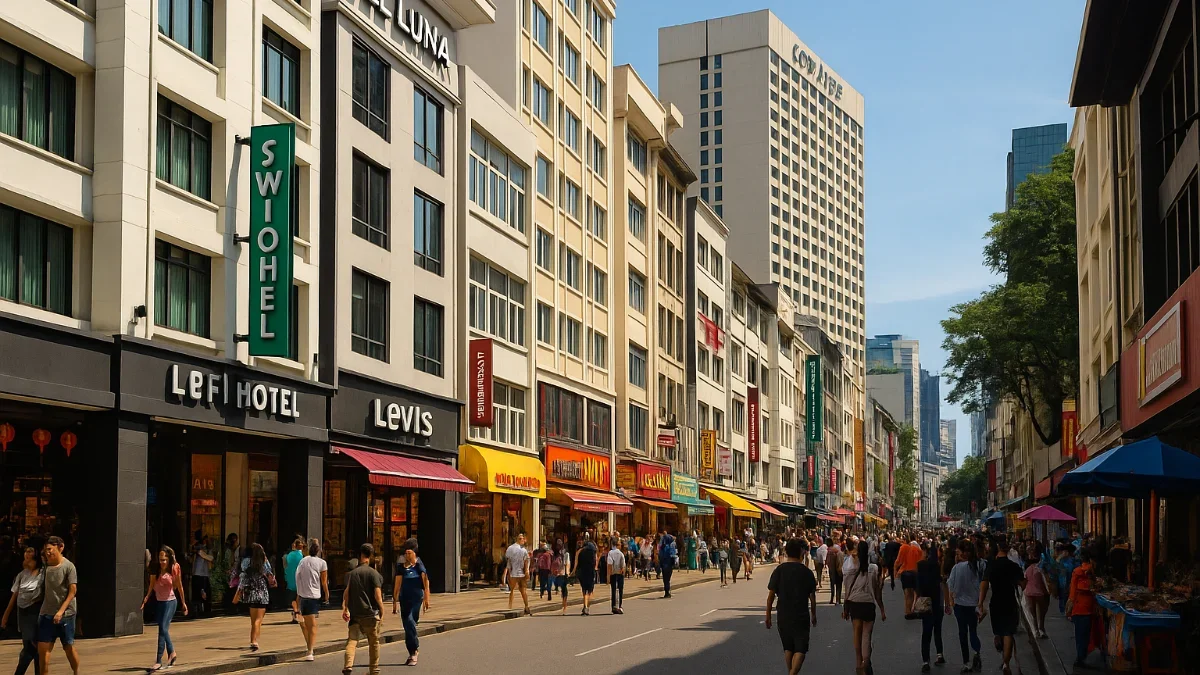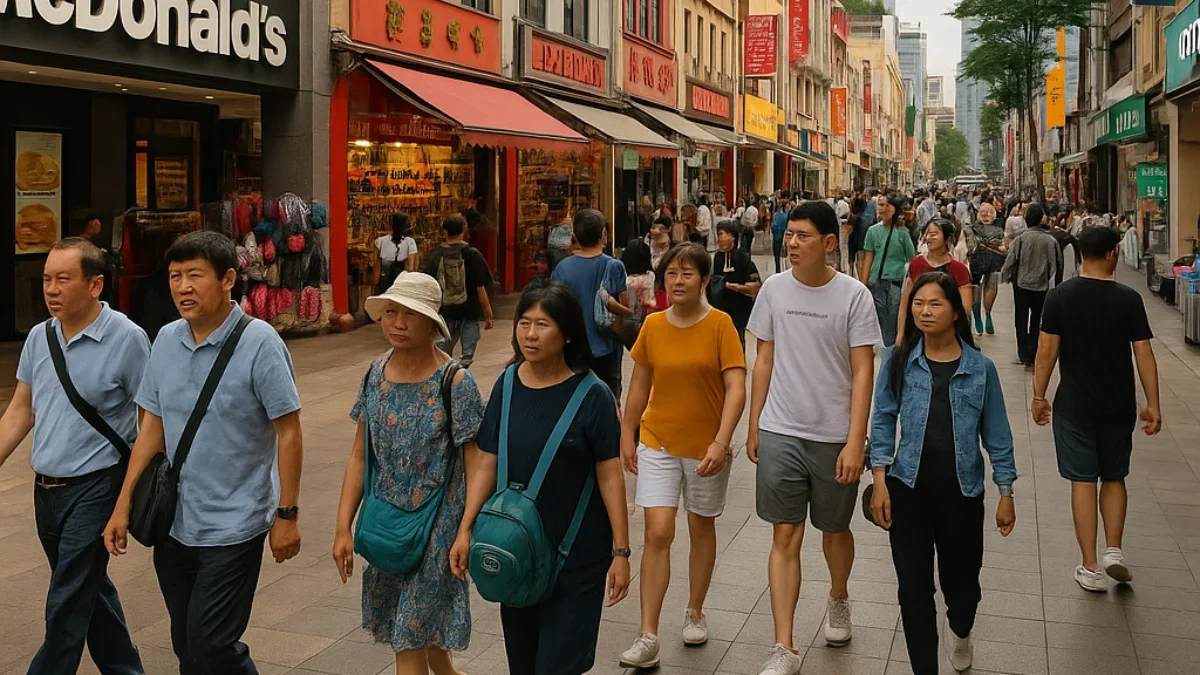
Malaysia’s commercial property market is experiencing a strong positive shift following the implementation of the Malaysia–China visa-free travel policy. This move has significantly increased the flow of Chinese tourists, business owners, and SMEs into Malaysia—especially across Kuala Lumpur, Johor Bahru, Kota Kinabalu, and Penang.
How Malaysia–China Visa-Free Policy (2025) Is Boosting Commercial Property Investment
Malaysia’s commercial property market is experiencing a strong positive shift following the implementation of the Malaysia–China visa-free travel policy. This move has significantly increased the flow of Chinese tourists, business owners, and SMEs into Malaysia—especially across Kuala Lumpur, Johor Bahru, Kota Kinabalu, and Penang.
As a result, commercial properties such as retail units, hotels, shop lots, SOHO offices, and warehouses are seeing more enquiries and higher demand compared to previous years.
How the Visa-Free Policy Benefits Malaysia’s Commercial Market
1. Surge in Chinese Tourists Boosting Retail & F&B Demand
The tourism industry is the immediate winner. With more free travel, Chinese tourists are spending more on:
- Food & beverage outlets
- Tourist retail shops
- Shopping malls
- Convenience stores
- Local lifestyle businesses
Retail areas such as Bukit Bintang, KLCC, Petaling Street, Johor Bahru CIQ, and Penang George Town have begun attracting more enquiries from Chinese merchants and F&B operators.
2. More Chinese SMEs Exploring Malaysia as a Business Base
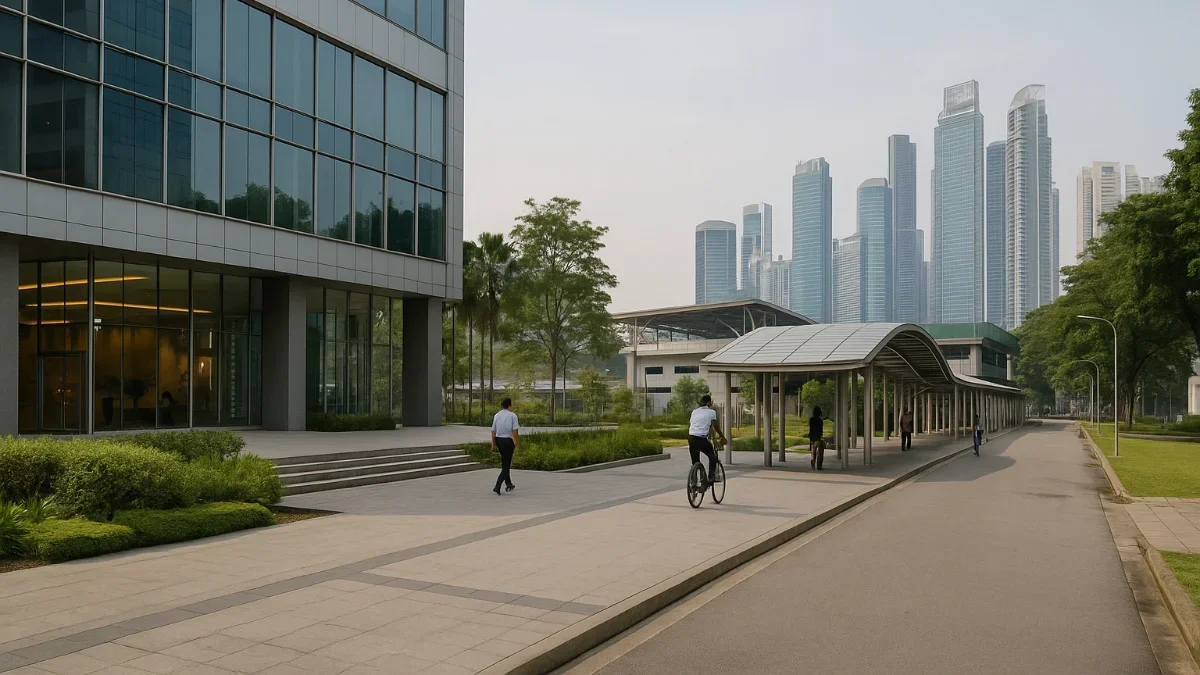
Many Chinese companies view Malaysia as a strategic ASEAN gateway. With visa-free access, business owners frequently visit Malaysia to:
- Explore expansion opportunities
- Study local markets
- Partner with local firms
- Secure retail or office spaces
- Inspect warehouses and factories
This fuels demand for:
- Shop offices
- SOHO units
- Corporate suites
- Flexible warehouses
3. Stronger Demand for Hospitality Properties
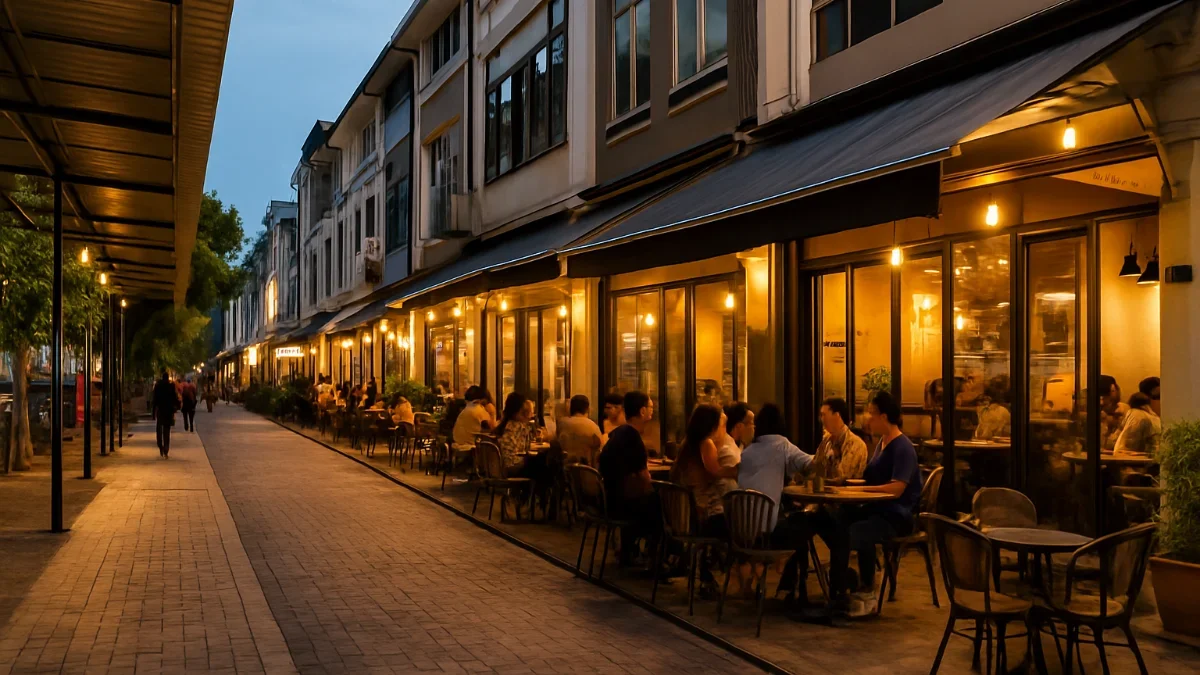
Hotel operators are seeing higher occupancy and stronger room rates. This encourages more investment in:
- Budget hotels
- Boutique hotels
- Shophouse hotels
- Hospitality-based commercial units
The improved tourism flow directly strengthens hotel returns.
4. Increase in Cross-Border E-Commerce & Logistics Demand
Chinese e-commerce brands are expanding rapidly in Malaysia, increasing the need for:
- Fulfilment centres
- Cold storage units
- Distribution hubs
- Small warehousing units
Top logistics hotspots include Shah Alam, Puchong, Subang, Klang, Senai, Tebrau, and Pasir Gudang.
5. Chinese Brands Entering Malaysia’s Retail Market
More Chinese companies are opening outlets in categories like:
- Beauty & skincare
- Bubble tea & beverages
- Lifestyle products
- Health food
- Smart home gadgets
This creates stronger rental demand in lifestyle malls and high-traffic shop lots.
Commercial Hotspots Rising Due to the Policy
Klang Valley
- Bukit Bintang
- KLCC
- Petaling Street
- Mont Kiara
- Cheras
- Puchong SetiaWalk
Johor Bahru
- CIQ & JB Sentral
- Mid Valley Southkey
- Mount Austin
- Bukit Indah
Penang
- George Town
- Bayan Lepas
- Gurney Drive
Sabah
- Kota Kinabalu CBD
- Imago Mall Area
2025 Outlook: Will the Trend Continue?
Yes — all indicators point to a continued upward trend:
- More Chinese travellers expected throughout 2025
- Businesses choosing Malaysia for ASEAN expansion
- Increasing tourism spending
- Growing commercial rental demand
- More cross-border trade and investment
Conclusion
The Malaysia–China visa-free policy is a strong catalyst driving tourism, business expansion, logistics growth, and overall commercial property demand. Investors who secure retail, hotel, or commercial assets early are likely to benefit from higher yields and stronger appreciation in 2025 and beyond.