Malaysia’s data centre boom is reshaping industrial land demand, power infrastructure, and investor strategy—especially in Selangor and Johor growth corridors.
Why Data Centres Are Driving Industrial Land Demand in Malaysia
Over the past few years, data centres have quietly become one of the most powerful forces shaping Malaysia’s industrial property market. Driven by cloud computing, AI workloads, e-commerce, fintech, and regional digital expansion, data centres are no longer niche infrastructure — they are now core assets influencing land value, power planning, and industrial zoning.
What Makes Data Centres Different from Typical Industrial Uses?
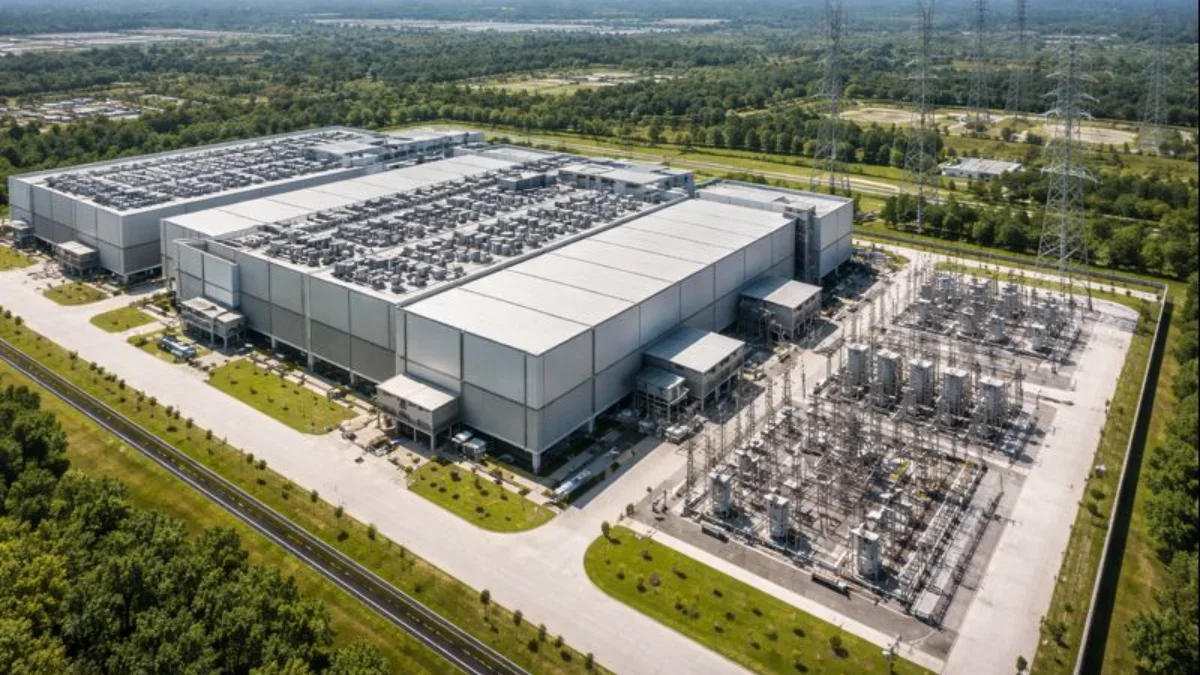
Unlike traditional factories or warehouses, data centres are highly infrastructure-driven developments. Location decisions are less about labour and more about power availability, fibre connectivity, land stability, and long-term scalability.
- Extremely high electricity demand and stable power supply
- Low employment density but high capital investment
- Strict security, access control, and setback requirements
- Long-term tenancy or owner-occupied operations
Why Malaysia Is Becoming a Regional Data Centre Hub
Malaysia offers a rare combination of political stability, improving digital infrastructure, competitive land pricing, and proximity to Singapore. As a result, hyperscale operators and enterprise data centre users are actively securing industrial land well ahead of development timelines.
Key attraction factors include:
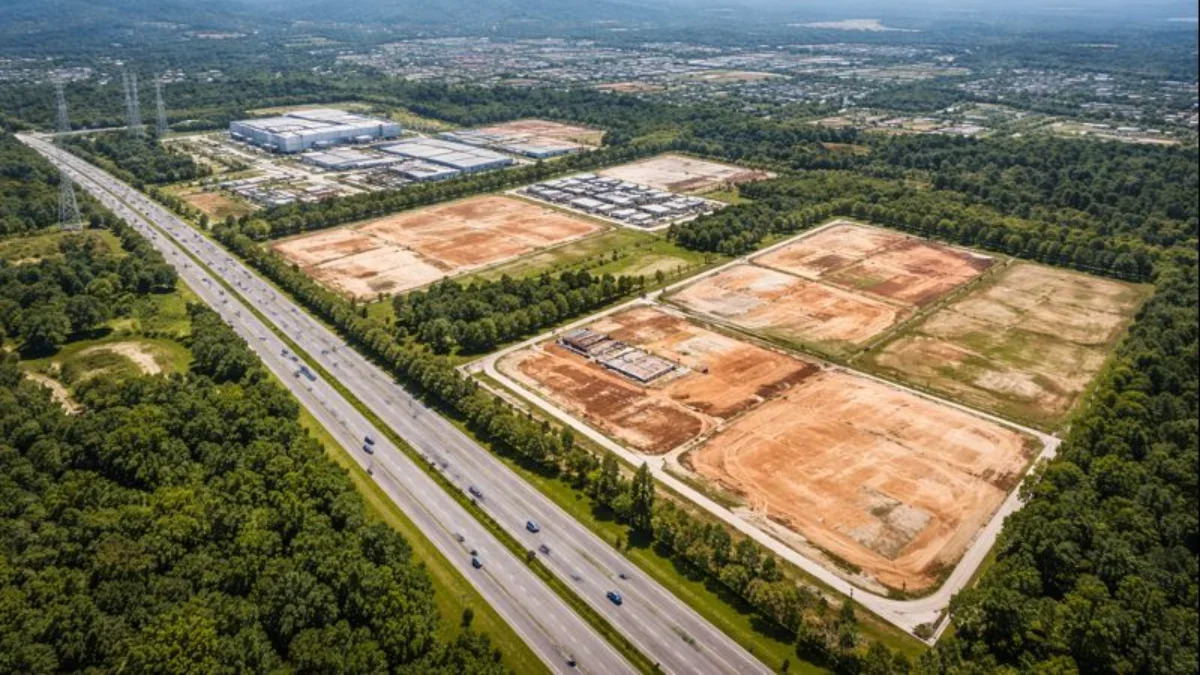
- Availability of industrial land parcels suitable for campus-style development
- Strong backbone connectivity and international cable routes
- Competitive development and operating costs
- Supportive long-term digital economy direction
Impact on Industrial Land Values
Data centre demand has introduced a new pricing benchmark for selected industrial land. Parcels with strong power access, good road connectivity, and scalable layouts are now seeing interest beyond traditional manufacturers and logistics players.
This has led to:
- Upward pressure on land prices in power-ready zones
- Reduced availability of large contiguous industrial plots
- Increased competition between developers and end users
What Investors and Landowners Should Pay Attention To
Not every industrial land is suitable for data centres, but those that meet baseline criteria may enjoy future optionality and stronger exit value. Investors should assess land based on infrastructure readiness, zoning flexibility, and long-term holding potential rather than short-term yield alone.
As digital infrastructure continues to expand, industrial land tied to data centre demand is likely to remain resilient — even during broader market cycles.