Should investors buy core industrial locations or growth corridors? A 2025 guide explaining risk-adjusted returns, liquidity, and how to balance upside with safety.
Core vs Growth Industrial Locations: Risk-Adjusted Returns Explained
Industrial investors often debate one central question: Should you buy core industrial locations or growth corridors? While growth areas may promise higher upside, core locations are typically safer. The right answer depends on risk-adjusted returns—not just headline yields or price appreciation.
This article explains how investors should evaluate core vs growth industrial locations in 2025, focusing on demand depth, supply risk, liquidity, and downside protection.
What Are Core Industrial Locations?
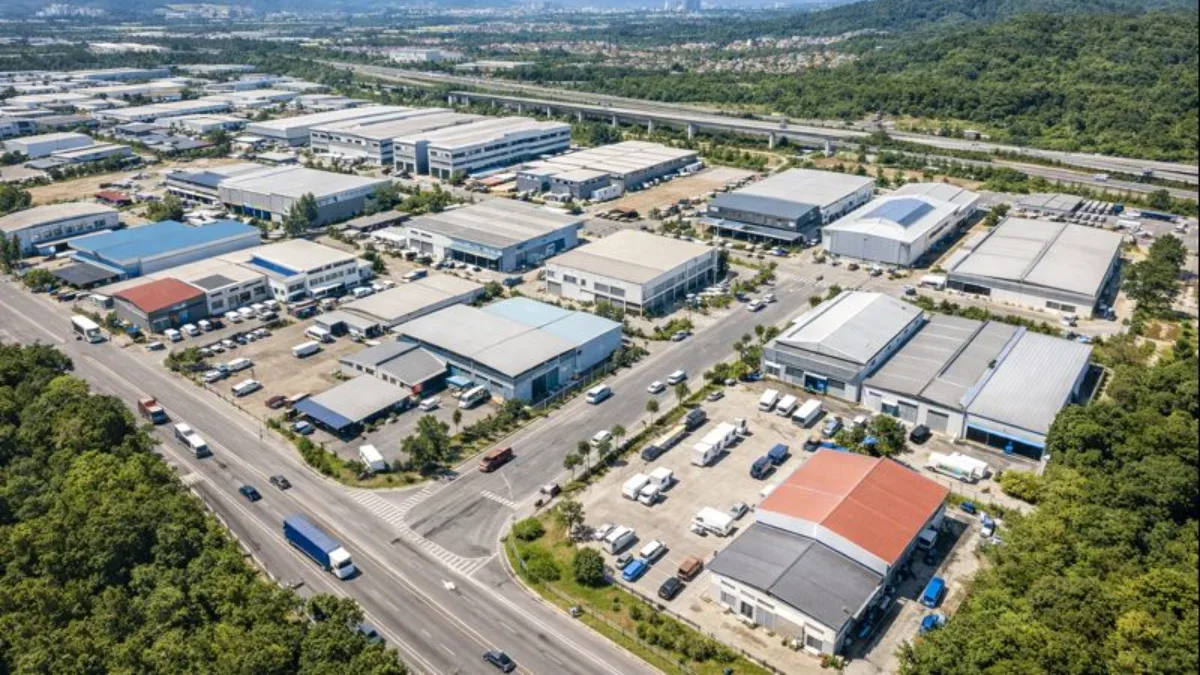
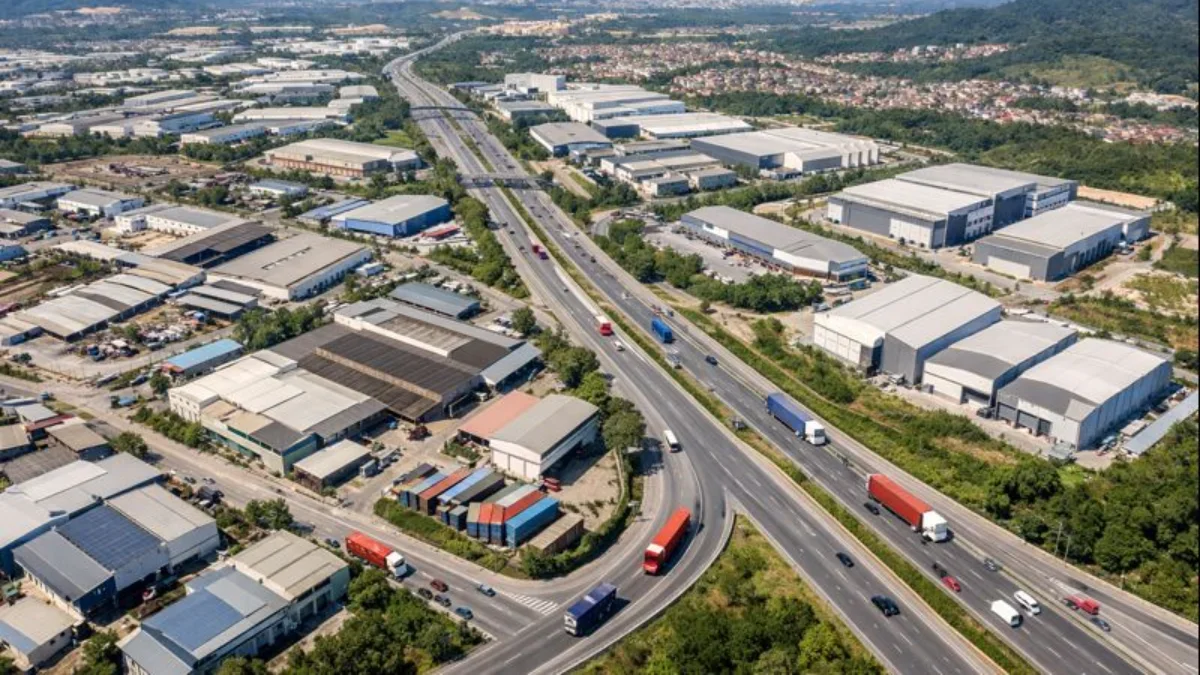
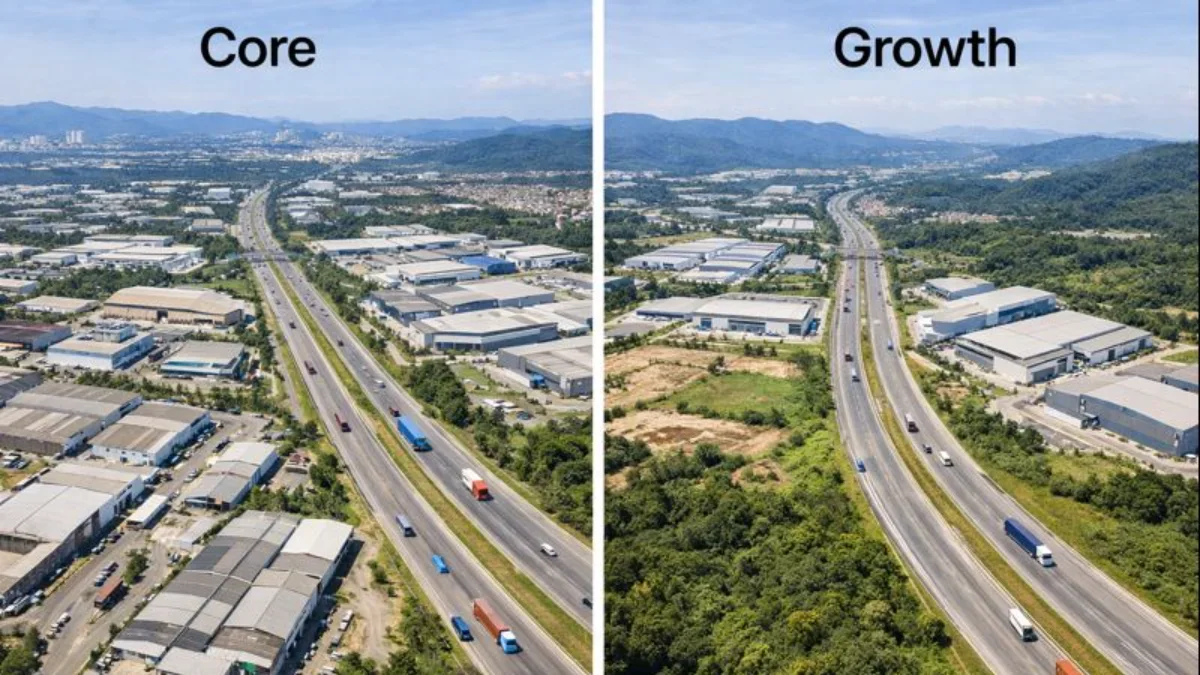
Core industrial locations are established, mature industrial hubs with proven demand and deep tenant ecosystems. In Klang Valley, these typically include long-standing industrial estates near major highways, ports, and urban centres.
Characteristics of Core Locations
- Strong and recurring tenant demand
- High transaction activity and price transparency
- Limited land availability
- Resilient pricing during market downturns
Core locations are favoured by investors who prioritise capital preservation and liquidity.
What Are Growth Industrial Locations?
Growth industrial locations are emerging corridors on the fringe of mature markets. These areas often attract attention due to lower entry pricing and new industrial developments.
Characteristics of Growth Corridors
- Lower absolute entry prices
- Newer factory and warehouse stock
- Future infrastructure-driven growth expectations
- Higher sensitivity to supply cycles
Growth corridors appeal to investors seeking capital upside, but they come with higher execution risk.
Understanding Risk-Adjusted Returns
Risk-adjusted returns measure how much return an investor earns relative to the risk taken. In industrial property, risk is influenced by:
- Tenant depth and demand stability
- Supply competition
- Ease of resale (liquidity)
- Exposure to economic cycles
A higher yield or cheaper price does not always mean a better investment if the risk profile is significantly higher.
Core vs Growth: Investor Comparison
| Criteria | Core Locations | Growth Locations |
|---|---|---|
| Entry pricing | Higher | Lower |
| Demand depth | Strong and consistent | Selective and developing |
| Supply risk | Low | Moderate to high |
| Rental stability | High | Uneven |
| Exit liquidity | Strong | Location-dependent |
| Risk-adjusted returns | More predictable | Potentially higher but volatile |
Why Core Locations Often Win on Risk-Adjusted Returns
1) Liquidity Is a Hidden Return
In core locations, investors benefit from:
- More buyers during resale
- Faster exit timelines
- Clearer price discovery
This liquidity reduces downside risk and improves overall return reliability.
2) Demand Outlasts Market Cycles
Core industrial areas are driven by operational demand rather than speculation. Even during slower markets, occupiers still need to operate, supporting rental and pricing stability.
3) Lower Capital Risk
While entry prices are higher, core locations often protect capital better during corrections—making them attractive for conservative or long-term investors.
When Growth Corridors Make Sense
Growth locations can outperform when:
- Supply is controlled and demand grows organically
- The micro-location is near established industrial clusters
- The investor has a longer holding period
However, buying purely on future promises without current demand increases risk.
Investor Strategy: Balancing Core and Growth
Conservative Investors
- Focus on core locations
- Accept lower upside for higher certainty
Balanced Investors
- Anchor portfolio with core assets
- Add selective growth assets for upside
Aggressive Investors
- Target growth corridors with proven micro-locations
- Prepare for longer holding periods and higher volatility
Final Takeaway
In industrial property, risk-adjusted returns matter more than headline returns.
Core locations generally deliver safer, more predictable outcomes, while growth corridors can enhance returns only when chosen carefully. The best strategy in 2025 is not choosing one over the other—but understanding how each fits your risk tolerance and investment horizon.
Start Your Search for Agricultural, Industrial, or Land Investment
- Explore Agricultural and Development Land for Sale
- Browse Industrial Properties in Rural Areas
- See Commercial Assets Supporting Agri-Supply Chains
If you want a portfolio allocation suggestion (core vs growth) based on your budget and return target, let me know.